
How onions are cultivated?Onions are a staple vegetable in kitchens around the world, known for their distinct flavour and versatility. Cultivating onions can be a rewarding experience, whether you’re a home gardener or a professional farmer. Here’s a comprehensive guide to help you get started with onion cultivation.
1. Choosing the Right Variety
The first step in onion cultivation is selecting the right variety. Onions come in several types, including yellow, white, and red onions. Each variety has its unique flavor and growing requirements. Consider the climate and soil conditions in your region when choosing a variety. Some popular varieties include:
-Yellow Onions: Known for their strong flavor and versatility.
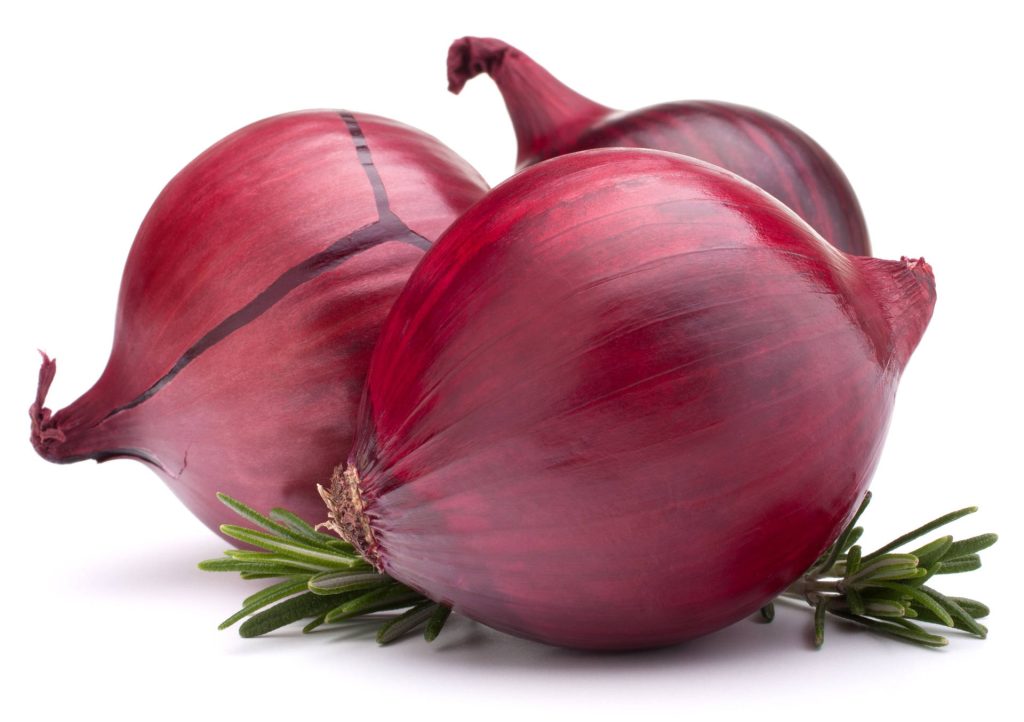
-Red Onions: Milder and sweeter, often used in salads and garnishes.
-White Onions: Crisp and slightly sweet, commonly used in Mexican cuisine.
2. Preparing the Soil
Onions thrive in well-drained, fertile soil with a pH level between 6.0 and 7.0. Follow these steps to prepare your soil:
-Soil Testing: Conduct a soil test to determine its pH and nutrient levels. Adjust the pH if necessary by adding lime or sulphur.
-Soil Enrichment: Enrich the soil with organic matter such as compost or well-rotted manure to improve its fertility and structure.
– Tillage: Loosen the soil to a depth of at least 8 inches to ensure good root development.
3. Planting Onions
You can plant onions from seeds, sets (small bulbs), or transplants. Here’s how to plant onions:
– Seeds: Start seeds indoors 8-10 weeks before the last frost date. Transplant the seedlings into the garden when they are about 4 inches tall.
-Sets: Plant onion sets directly in the garden in early spring or fall, about 1 inch deep and 4-6 inches apart.
-Transplants: Space transplants 4-6 inches apart in rows 12-18 inches apart.

4. Caring for Onion Plants
Proper care is essential for healthy onion growth. Follow these tips:
-Watering: Keep the soil consistently moist, especially during dry periods. Onions require about 1 inch of water per week.
-Fertilization: Apply a balanced fertilizer every 4-6 weeks to promote healthy growth.
-Weeding: Keep the onion beds free of weeds, as they compete for nutrients and water. Mulching can help suppress weeds and retain moisture.
– Pest and Disease Control: Monitor your plants for pests such as onion maggots and thrips. Use organic or chemical treatments as needed. Practice crop rotation to prevent soil-borne diseases.
5. Harvesting Onions
Onions are ready to harvest when the tops begin to yellow and fall over. Follow these steps:
-Drying: Allow the onions to dry in the field for a few days. Then, move them to a well-ventilated area to cure for 2-3 weeks.
-Trimming: Trim the tops to about 1 inch above the bulb and remove any loose soil or roots.
-Storage: Store onions in a cool, dry, and well-ventilated area. Avoid storing them near potatoes, as they can cause onions to spoil faster.
Conclusion
Onion cultivation can be a fulfilling endeavor, providing you with a bountiful harvest of this essential vegetable. By choosing the right variety, preparing the soil, planting correctly, and providing proper care, you can enjoy the rewards of growing your own onions. Whether you’re a beginner or an experienced gardener, these steps will help you cultivate onions successfully.
